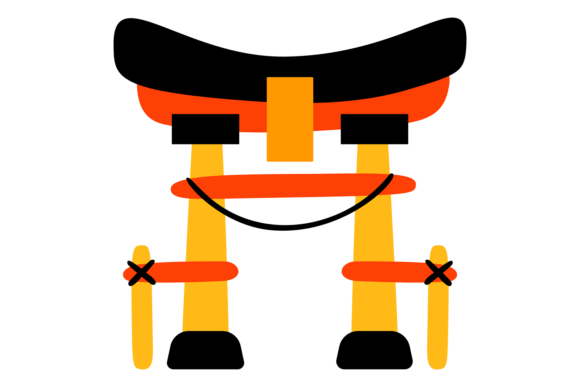
Ancient Asian Royal Entrance: Chinese De
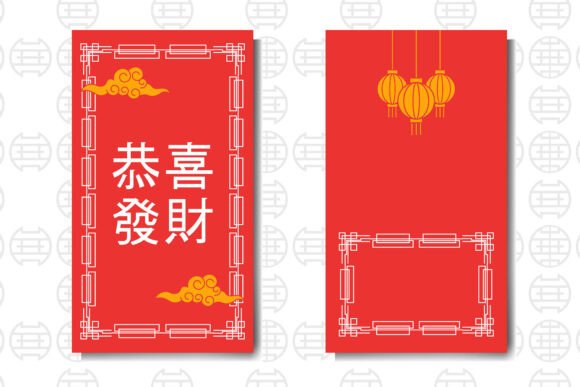
The Ancient Asian Royal Entrance, particularly the Chinese De, represents a blend of historical significance and aesthetic appeal. These ornate gates are more than just architectural features; they symbolize power, tradition, and cultural heritage. Whether you're an artist, designer, or business owner, understanding the value of Chinese De can enhance your creative or professional endeavors.
What is Chinese De?
Chinese De refers to traditional decorative gates found in ancient Chinese architecture. These gates often feature intricate carvings, symbolic motifs, and vibrant colors that reflect the culture and values of the time. The term "De" itself is derived from the Chinese word for virtue or morality, suggesting that these gates were not only functional but also carried deep philosophical meaning.
Isolated on a white background, such images are commonly used in digital media, design projects, and branding materials. Their clean, high-contrast appearance makes them ideal for a variety of applications, from website headers to print advertisements.
Key Characteristics of Chinese De
One of the most striking aspects of Chinese De is its detailed craftsmanship. Each gate is a work of art, showcasing the skill and dedication of ancient artisans. Common elements include:
- Elaborate wood carvings featuring dragons, phoenixes, and other mythical creatures
- Symbolic patterns representing prosperity, longevity, and protection
- Use of traditional color schemes, such as red, gold, and black
The combination of these elements creates a visually compelling design that resonates with both historical and contemporary audiences.
Why Chinese De Matters Today
In modern times, the influence of Ancient Asian Royal Entrance, including Chinese De, continues to shape design trends and cultural expressions. Its appeal lies in its ability to bridge the past and present, offering a unique visual language that can be adapted across various platforms.
For professionals in fields like graphic design, marketing, and interior decoration, incorporating Chinese De elements can add authenticity and sophistication to their work. It also provides a way to connect with audiences who appreciate cultural depth and artistic detail.
Practical Applications of Chinese De
Chinese De has a wide range of practical uses, making it valuable in both personal and professional settings. Here are some examples:
- Branding and Marketing: Companies looking to create a distinctive identity can use Chinese De-inspired designs in logos, packaging, and promotional materials. This approach adds a sense of tradition and exclusivity to their brand.
- Interior Design: Decorative gates can serve as focal points in homes, offices, or public spaces. They bring a touch of elegance and cultural richness to any environment.
- Educational Materials: Teachers and educators can incorporate images of Chinese De into lessons about history, art, and culture. This helps students gain a deeper appreciation for ancient Asian traditions.
Additionally, digital creators can use EPS and JPG files of Chinese De to enhance websites, social media content, and presentations. These formats ensure high-quality visuals that maintain clarity at different sizes.
Benefits of Using Chinese De
There are several benefits to integrating Chinese De into your projects. First, it enhances visual appeal by adding a unique and sophisticated element. Second, it improves user engagement by evoking curiosity and admiration. Third, it strengthens brand identity by associating your work with cultural heritage and artistic excellence.
From a practical standpoint, using Chinese De can also improve usability. For instance, in digital interfaces, these designs can guide users' attention and create a more immersive experience. In commercial environments, they can elevate the perceived value of products and services.
Considerations When Using Chinese De
While Chinese De offers many advantages, it's important to consider how it aligns with your goals and audience. Here are some factors to keep in mind:
- Cultural Sensitivity: Ensure that your use of Chinese De respects its historical and cultural context. Avoid misrepresentation or superficial application.
- Design Integration: Consider how the design will fit within your overall aesthetic. It should complement, not clash, with other elements.
- Technical Quality: Choose high-resolution images in EPS or JPG format to maintain clarity and professionalism in your final output.
By taking these considerations into account, you can effectively leverage the beauty and symbolism of Chinese De in your work.
Conclusion
The Ancient Asian Royal Entrance, particularly Chinese De, offers a rich source of inspiration and value for a wide range of applications. Whether you're enhancing your brand, designing a space, or creating educational content, the unique characteristics of Chinese De can add depth and meaning to your projects. By understanding its significance and practical uses, you can make informed decisions that reflect both creativity and cultural appreciation.