Blue Flower Watercolor: A Strategic Choice for Creative and Business Applications
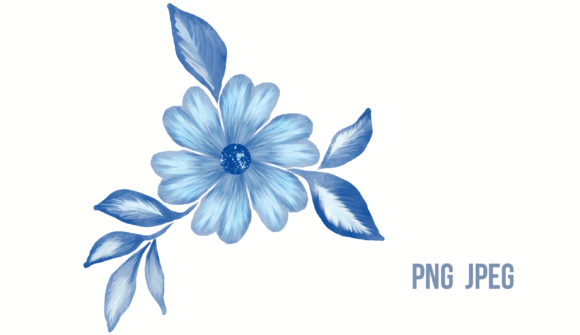
The Blue Flower Watercolor is more than just a visual motif—it's a deliberate choice that blends natural beauty with artistic intention. Inspired by the serene elegance of blue flowers like cornflowers and forget-me-nots, this watercolor piece captures the essence of nature through soft transitions and rich shades of blue. Its handmade quality ensures a level of authenticity and attention to detail that digital alternatives often lack. For professionals and creatives, understanding how to strategically incorporate this design can unlock new opportunities in branding, product development, and visual storytelling.
Whether you're an entrepreneur, marketer, or designer, the Blue Flower Watercolor offers a versatile foundation for creative projects. Its subtle yet striking aesthetic makes it ideal for textile design, interior decor, and digital art. But beyond its visual appeal, the strategic use of this motif requires thoughtful consideration of context, audience, and purpose.
Understanding the Strategic Value of Blue Flower Watercolor
At its core, the Blue Flower Watercolor represents a balance between simplicity and sophistication. The color blue is often associated with trust, calm, and clarity—qualities that resonate well with audiences seeking reliability and refinement. When paired with the delicate imagery of flowers, this combination evokes a sense of serenity and creativity, making it a powerful tool for communication and branding.
For businesses, this motif can serve as a unique differentiator in crowded markets. In industries where aesthetics play a key role—such as fashion, home décor, or stationery—the Blue Flower Watercolor can help establish a distinct identity. It allows brands to connect with customers on an emotional level, reinforcing values like craftsmanship, sustainability, and natural beauty.
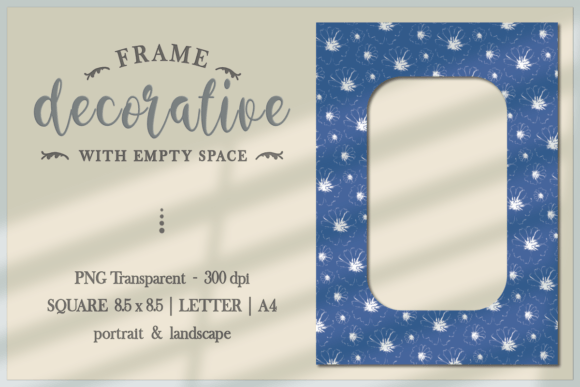
From a practical standpoint, the Blue Flower Watercolor is also adaptable. Its high-resolution format (400 dpi) ensures that it maintains quality across various applications, from print to digital media. This versatility supports long-term planning, as the design can be repurposed for multiple channels without losing its integrity.
When to Use Blue Flower Watercolor: Practical Scenarios
The decision to use Blue Flower Watercolor should align with specific goals and contexts. Consider the following scenarios where this motif can add value:
- Branding and Identity: Use the motif in logos, packaging, or marketing materials to create a cohesive and memorable brand image. The soft blue tones can convey professionalism while maintaining a touch of creativity.
- Interior Design: Incorporate the design into wall art, textiles, or decorative elements to enhance spaces with a natural and calming atmosphere.
- Digital Art and Graphic Design: Apply the motif as a background, texture, or pattern in web design, illustrations, or social media content to add depth and visual interest.
- Textile Production: Utilize the design for fabric patterns, clothing, or accessories, offering a unique and elegant option for consumers who appreciate handmade and artistic elements.
Each application requires a tailored approach. For instance, when using the motif in branding, consider how it complements your existing visual language. If integrating it into interior design, think about how it interacts with other elements in the space. These considerations ensure that the Blue Flower Watercolor enhances rather than overwhelms the overall experience.
How to Approach Blue Flower Watercolor Intentionally
Intentional use of the Blue Flower Watercolor involves more than just selecting a visually appealing design. It requires a clear understanding of your objectives and the audience you're trying to reach. Start by defining the purpose of the design: Is it to evoke emotion, communicate a message, or support a product? Once the goal is established, evaluate how the motif aligns with that objective.
Another important step is to test the design in different contexts. Create mockups or prototypes to see how the motif performs in real-world situations. Does it work well in both print and digital formats? How does it interact with other design elements? These tests can reveal insights that inform better decision-making.
Additionally, consider the cultural and emotional associations of the design. Blue is often linked to trust and stability, while flowers symbolize growth and renewal. Combining these elements can create a powerful narrative that resonates with your target audience. However, it's essential to remain mindful of regional preferences and avoid assumptions that may not apply universally.
Potential Risks of Using Blue Flower Watercolor Without Clarity
While the Blue Flower Watercolor is visually appealing, using it without a clear strategy can lead to ineffective outcomes. One common risk is overuse—applying the motif too frequently or inappropriately can dilute its impact and confuse the audience. Similarly, using it without considering the broader brand or design context may result in inconsistencies that undermine your messaging.
Another challenge is the potential for misalignment with audience expectations. If your target demographic associates blue flowers with something entirely different, the design may fail to connect. This highlights the importance of research and audience analysis before finalizing any application of the motif.
Without a defined purpose, the Blue Flower Watercolor can become a passive element rather than a strategic asset. It's crucial to ask: What do I want this design to achieve? How does it support my overall goals? Answering these questions ensures that the motif serves a meaningful role in your creative or business efforts.
Strategic Observations and Decision-Making Guidance
When working with the Blue Flower Watercolor, keep the following observations in mind:
- Balance Aesthetics with Functionality: While the design is beautiful, its effectiveness depends on how well it serves its intended purpose. Avoid prioritizing appearance over practicality.
- Align with Brand Values: Ensure that the motif reflects the core values of your brand. If your company emphasizes innovation, for example, the Blue Flower Watercolor should complement that vision rather than detract from it.
- Consider Long-Term Impact: Think about how the design will perform over time. Will it remain relevant? Can it be adapted for future projects? Planning ahead helps maximize the value of the motif.
- Engage Your Audience: Use the design as a conversation starter. Encourage feedback and adjust based on how your audience responds. This iterative process can refine your approach and improve outcomes.
These observations guide a more intentional and effective use of the Blue Flower Watercolor. By focusing on alignment, adaptability, and audience engagement, you can turn this design into a valuable asset for your creative or business endeavors.
Conclusion: Embracing Blue Flower Watercolor as a Strategic Tool
The Blue Flower Watercolor is more than a decorative element—it's a strategic choice that can enhance creativity, communication, and business outcomes. Its natural beauty, combined with its versatility, makes it a valuable resource for professionals across various industries. However, its success depends on thoughtful planning, clear objectives, and a deep understanding of its context.
By approaching the Blue Flower Watercolor intentionally, you can unlock its full potential and use it to support your goals in a meaningful way. Whether you're designing a product, building a brand, or creating content, this motif offers a unique opportunity to blend artistry with strategy. With the right approach, it can become a lasting and impactful part of your creative or business journey.