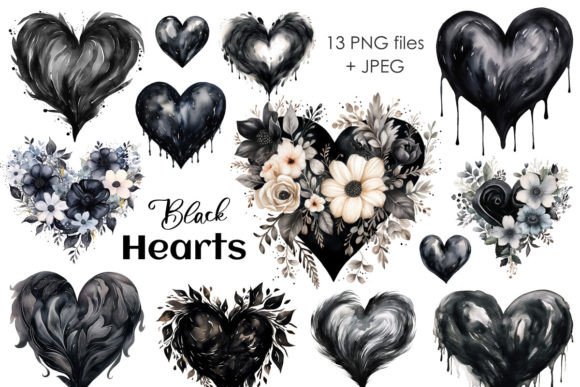
Borders with Hearts: Ornamental Decorative Designs for Creative Projects
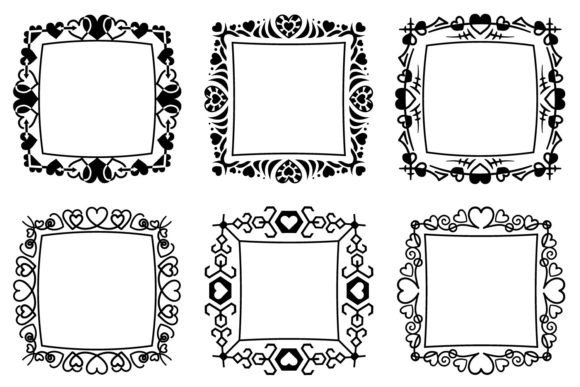
Borders with Hearts are a versatile and elegant design element that can enhance a wide range of creative and commercial projects. These ornamental decorative borders feature intricate heart patterns, abstract square frames, and artistic flourishes that add a touch of sophistication and sentimentality. Whether you're designing for print, digital media, or handmade crafts, these borders offer a flexible solution that can be adapted to various needs and styles.
Understanding Borders with Hearts in the Design Process
Borders with Hearts serve as a foundational element in many design workflows. They can be used as background elements, framing tools, or standalone graphics depending on the project's requirements. Their versatility makes them suitable for both functional and aesthetic purposes, allowing designers to integrate them into different stages of a project lifecycle.
For instance, during the planning phase of a design project, these borders can help establish a visual theme or mood. In the execution phase, they can be layered with other design elements to create depth and interest. After the project is complete, they can be repurposed for future designs, ensuring consistency across multiple outputs.
Applications Across Different Industries and Use Cases
The applications of Borders with Hearts extend beyond traditional design fields. They are particularly useful in industries such as publishing, marketing, and retail, where visual appeal plays a critical role in customer engagement. For example, in the creation of Valentine's Day cards, these borders can add a romantic and personalized touch that resonates with the target audience.
In addition to greeting cards, these designs are ideal for scrapbooking, where they can frame photos, journal entries, or decorative elements. They also work well for book covers, invitations, and promotional materials, offering a consistent visual language that enhances brand identity and user experience.
Integration with Other Design Tools and Resources
Borders with Hearts can be seamlessly integrated with other design tools and resources to optimize workflow efficiency. For instance, when using graphic design software like Adobe Illustrator or Photoshop, these borders can be imported as vector or raster files, allowing for easy customization and scalability. The inclusion of multiple file formats—such as JPG, PNG, SVG, AI, and EPS—ensures compatibility with various platforms and tools, making it easier for designers to incorporate these elements into their projects.
Moreover, these borders can be combined with typography, images, and other graphical elements to create cohesive and visually appealing compositions. This integration not only streamlines the design process but also helps maintain a high standard of quality across all outputs.
Practical Implementation Tips for Designers
To make the most of Borders with Hearts, consider the following implementation tips:
- Plan Ahead: Before incorporating these borders into a project, define the purpose and context. Determine whether they will serve as a background, frame, or accent element.
- Choose the Right Format: Select the appropriate file type based on your design needs. For high-resolution prints, use JPG or EPS files. For transparent backgrounds or scalable graphics, opt for PNG or SVG formats.
- Experiment with Layouts: Try different placements and combinations to find the best fit for your design. Overlapping, layering, or repeating the border pattern can create unique visual effects.
- Test for Compatibility: Ensure that the borders work well with other design elements, such as fonts, colors, and images. Conduct a test run to identify any potential issues before finalizing the design.
- Organize Your Files: Keep your design assets organized by naming conventions, folders, and metadata. This practice improves efficiency and reduces the risk of errors during the design process.
Workflow Examples and Use Cases
Here are a few examples of how Borders with Hearts can be used in different workflows:
- Valentine’s Day Cards: Use the borders as a frame around the card’s central message or image. Pair them with floral motifs, soft colors, and romantic typography to create a cohesive and heartfelt design.
- Scrapbooking Projects: Incorporate the borders as dividers between pages or to highlight specific memories. Their intricate patterns add a decorative touch that complements the overall aesthetic of the album.
- Merchandise Design: Apply the borders to t-shirts, mugs, or phone cases to add a unique and eye-catching detail. Their adaptability makes them suitable for both minimalist and elaborate designs.
- Book Covers: Use the borders to create a visual anchor for the cover. They can be placed along the edges or as a central motif, depending on the book’s theme and target audience.
- Invitations and Stationery: Enhance the elegance of wedding or event invitations by adding these borders as a decorative element. They can be paired with calligraphy, watercolor textures, or metallic accents for a refined look.
Factors to Consider for Long-Term Use
When using Borders with Hearts for long-term projects or repeated use, consider factors such as preparation, usability, and quality control. Properly organizing your design assets ensures that you can easily access and reuse the borders without unnecessary delays. Additionally, maintaining a consistent quality standard across all outputs helps reinforce brand identity and user trust.
It's also important to evaluate the suitability of the borders for different mediums and contexts. For example, a border that works well for a digital design may require adjustments for print, such as color mode conversion or resolution optimization. Regularly reviewing and updating your design library can help ensure that your assets remain relevant and effective over time.
Conclusion: Enhancing Creativity with Borders with Hearts
Borders with Hearts provide a valuable resource for designers, creators, and professionals looking to elevate their projects with ornamental and decorative elements. Their flexibility, compatibility, and aesthetic appeal make them an essential part of many design workflows. By integrating these borders into your creative process, you can achieve greater efficiency, consistency, and visual impact across a wide range of applications.