Symmetrical Floral Pattern: A Timeless Design for Modern Applications
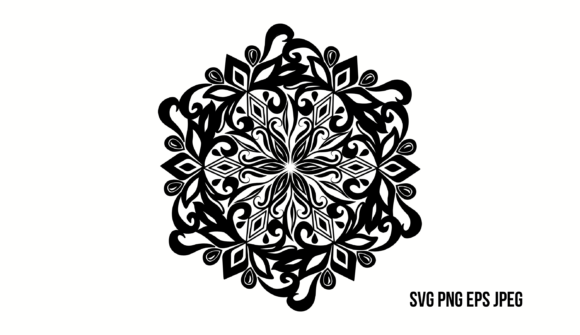
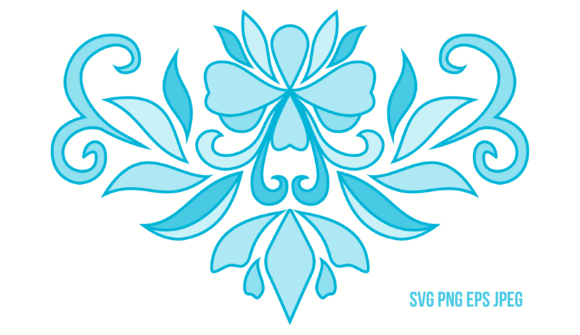
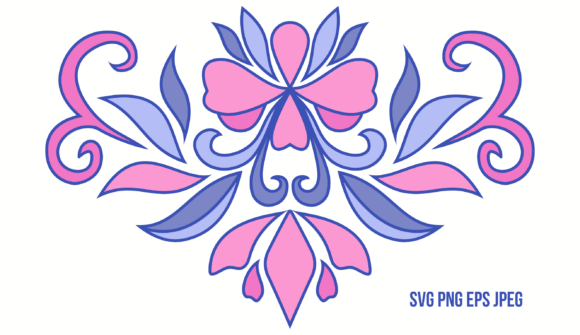
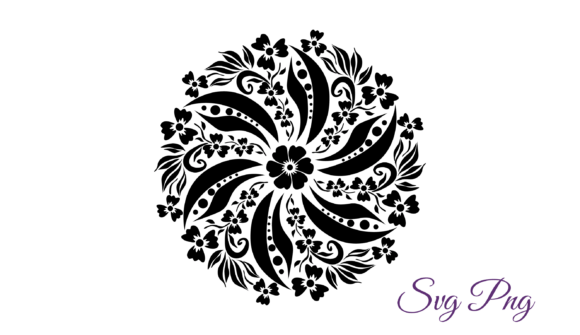
In the ever-evolving world of design, certain motifs continue to captivate and inspire. One such design is the symmetrical floral pattern, a classic aesthetic that has found renewed relevance in today's creative and commercial landscapes. This intricate design features a symmetrical floral arrangement—typically in black on a white background—with a large central flower flanked by stylized leaves, smaller blossoms, and paisley elements radiating outward. The result is an ornate, balanced composition that blends traditional craftsmanship with contemporary adaptability.
Whether used in graphic design, branding, or product packaging, the symmetrical floral pattern offers a unique blend of elegance and versatility. Its high-resolution formats, such as SVG and PNG at 300 DPI, ensure it can be applied across a wide range of mediums without losing clarity or detail. As businesses and creators seek visually compelling assets that align with modern aesthetics, this pattern has emerged as a go-to choice for those looking to infuse their work with sophistication and cultural resonance.
The Evolution of Symmetrical Floral Patterns in Design
Historically, symmetrical floral patterns have been a staple in various artistic traditions, from Persian miniatures to Victorian-era textiles. These designs were often used to convey harmony, balance, and a sense of order—principles that remain relevant in today’s design philosophy. However, what was once confined to traditional art forms has now found its way into digital media, branding, and even tech interfaces.
The resurgence of interest in symmetrical floral patterns reflects a broader trend toward blending historical aesthetics with modern functionality. In an age where minimalism dominates, these intricate designs offer a counterbalance, providing depth and richness that resonate with audiences seeking more than just simplicity. This shift is particularly evident in industries like fashion, interior design, and digital marketing, where visual storytelling plays a critical role.
Moreover, the rise of print-on-demand services and digital marketplaces has made it easier for designers to access and integrate such patterns into their projects. Whether you're creating a logo, designing a website, or developing a product line, the symmetrical floral pattern provides a versatile foundation that can be adapted to suit different styles and purposes.
Why the Symmetrical Floral Pattern Matters Today
There are several reasons why the symmetrical floral pattern has gained traction among professionals and creatives. One key factor is its ability to evoke a sense of tradition while maintaining a fresh, modern appeal. In a world where authenticity and heritage are increasingly valued, this design offers a way to connect with cultural narratives without appearing outdated.
Additionally, the pattern’s structural symmetry makes it highly adaptable. It can be scaled up or down, modified with color variations, or integrated into larger compositions without compromising its integrity. This flexibility is especially valuable in industries that require consistent branding across multiple platforms, such as e-commerce, publishing, and advertising.
Another reason for its popularity is its alignment with current consumer preferences. As more people seek unique, handcrafted, or artisanal products, the symmetrical floral pattern serves as a visual cue that signals quality, attention to detail, and a connection to time-honored techniques. This is particularly true in niche markets such as luxury goods, home décor, and independent publishing.
Practical Applications of the Symmetrical Floral Pattern
The symmetrical floral pattern is not just a decorative element—it’s a functional tool that can enhance the visual language of any project. For instance, in web design, it can be used as a background texture or a decorative border, adding depth and character without overwhelming the user experience. When implemented thoughtfully, it can elevate the overall aesthetic of a site while maintaining readability and usability.
In branding, this pattern can serve as a signature element that reinforces brand identity. Companies in the lifestyle, wellness, and artisanal sectors often use such designs to communicate values like creativity, nature, and craftsmanship. By incorporating a symmetrical floral pattern into their logos, packaging, or promotional materials, brands can create a cohesive visual story that resonates with their target audience.
For entrepreneurs and freelancers, the availability of high-quality formats like SVG and PNG at 300 DPI means that this pattern can be easily integrated into various projects. Whether you’re designing a custom illustration, creating a digital template, or producing physical merchandise, the symmetrical floral pattern offers a reliable and professional resource that can save time and improve results.
Connecting to Broader Industry Trends
The growing interest in symmetrical floral patterns aligns with several broader industry trends. One of these is the increasing emphasis on sustainability and ethical design. Many consumers now prefer products that reflect a commitment to quality, durability, and environmental responsibility. A well-crafted floral pattern, when used in printed materials or textiles, can signal a brand’s dedication to these values.
Another trend is the integration of cultural and historical elements into modern design. As global awareness and appreciation for diverse traditions grow, designers are turning to motifs like the symmetrical floral pattern to create works that are both visually striking and culturally meaningful. This approach not only enriches the design landscape but also fosters a deeper connection between the creator and the audience.
Furthermore, the rise of remote work and digital collaboration has shifted the way professionals approach design. With more people working from home or across different locations, there is a greater need for resources that are easy to access, modify, and share. The symmetrical floral pattern, available in multiple file formats, meets this demand by offering a flexible and efficient solution for creative workflows.
Conclusion
The symmetrical floral pattern is more than just a design choice—it’s a reflection of evolving tastes, technological advancements, and cultural shifts. Its enduring appeal lies in its ability to bridge the past and the present, offering a timeless aesthetic that remains relevant in today’s fast-paced, visually driven world.
For professionals, creators, and entrepreneurs, understanding the value of this pattern can open new opportunities for innovation and expression. Whether you’re looking to enhance your brand identity, create engaging content, or explore new creative directions, the symmetrical floral pattern provides a powerful and versatile tool that can help you stand out in a competitive market.
As design continues to evolve, so too will the ways in which we incorporate and interpret traditional motifs. The symmetrical floral pattern stands as a testament to the enduring power of beauty, balance, and craftsmanship in the modern creative landscape.